Jason Andreadis

Case study · July to November 2026 · Athens

We built a machine that makes and posts short videos. In three months it reached 8.4 million views.

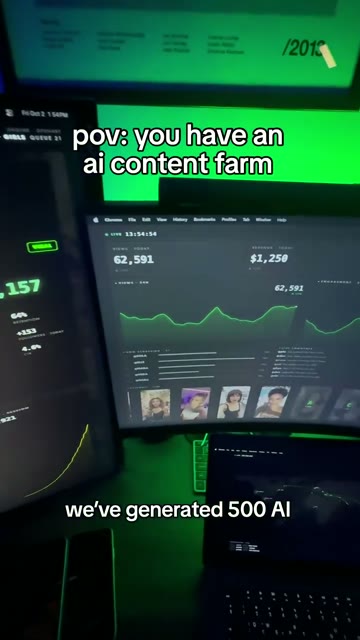
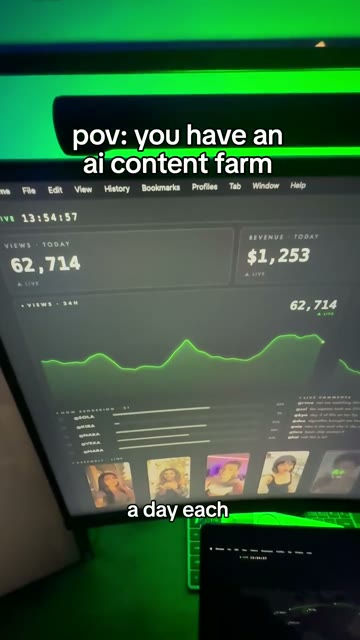
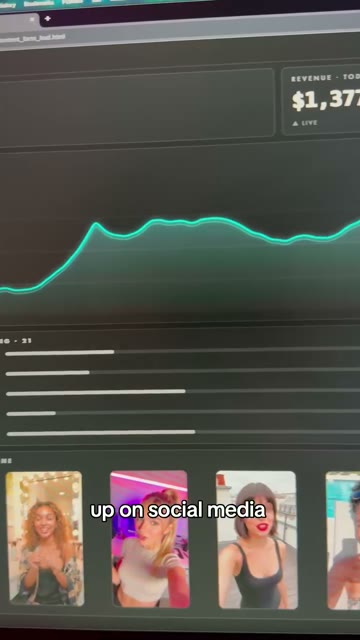
It makes short videos for paid UGC campaigns, posts them across a network of accounts, tracks every view, and sends the links to be paid. I started it alone in July. Then I worked on it with a group of friends, coaching them on how to make it better, and we rebuilt it on a far larger scale, posting mostly to Instagram. We are still scaling it.

16 Oct · 144,326 views
19 Sep · 135,493 views
16 Sep · 133,168 views

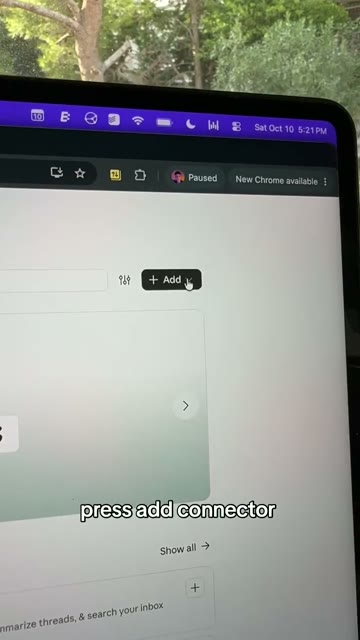
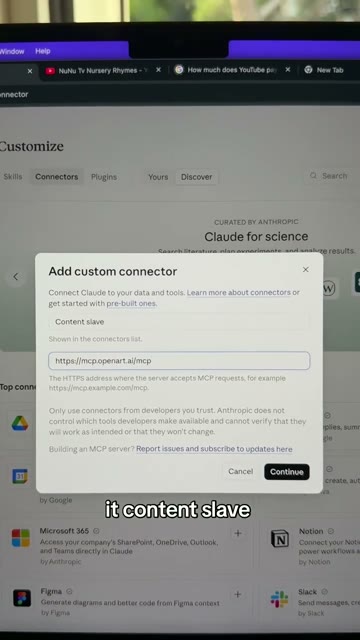
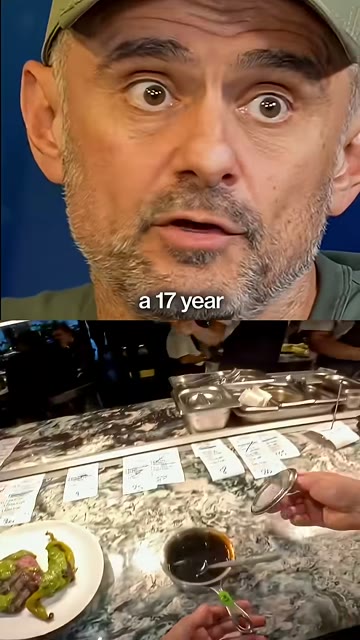
Three of the system's most-viewed posts, all on Instagram. Tap one to play it.

From the system's own records on the two machines that run it, read on 11 November 2026. Views are lifetime views recorded on the posts each machine tracked.

Recorded views
8,447,203
Instagram 8,435,344 · YouTube 11,859
Posts
4,038
August to 11 November 2026
Videos built
over 5,600
including some never posted
Accounts
about 50
almost all Instagram
Most posts in one day
75
7 October, from one of our two machines
Links sent for payment
1,304
to paid UGC campaigns on MediaMaxxing
Recorded views by month posted November covers the first 11 days
4M3M2M1M0 August: 378,436 viewsSeptember: 3,179,609 viewsOctober: 3,947,432 viewsNovember, first 11 days: 941,726 views 378K3.18M3.95M942K AugSepOctNov*

Where the money comes from

For us: paid UGC campaigns

The system posts for campaigns on MediaMaxxing, a platform where software companies pay creators for views. Campaigns pay from $3 to $10 for every 1,000 views a post gets, usually with a minimum number of views before a post earns anything. The system has sent 1,304 post links to these campaigns.

Pay per 1,000 views
$3 to $10
Links sent for payment
1,304
  1. PostThe video goes up on one of our accounts.
  2. WaitViews settle for a few days, so the link goes to the right campaign tier.
  3. SubmitThe system sends the link to its campaign, matched by account.
  4. Get paidThe campaign pays for the views the post collected.

For the brands: what those views were worth

The CEO of OpenArt, one of the brands we promoted, told us they make roughly $20 to $40 in revenue for every 1,000 views a campaign video gets. Using their own figure on our recorded views:

8,447,203 views ÷ 1,000 × $20 to $40about $169,000 to $338,000

Brand revenue per 1,000 views
$20 to $40
Views we delivered
8.4 million

This is an estimate built on one brand's own rule of thumb, not a sales record, and the views were spread across several brands.

The most-viewed post, start to finish

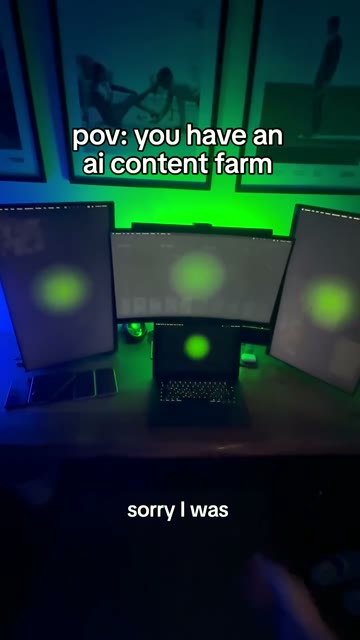
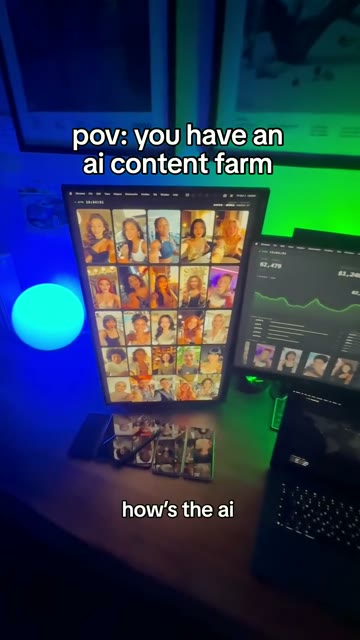
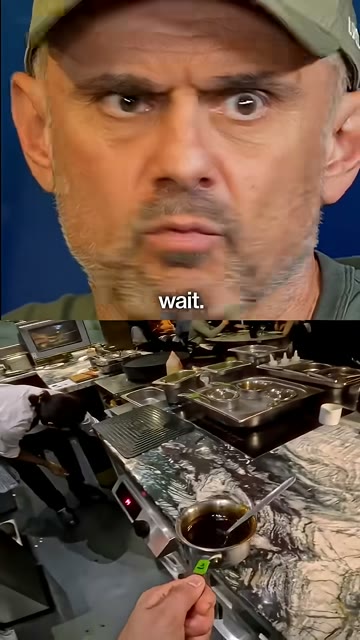
144,326 views. A hook with a caption over it, then the steps shown on screen, then a person talking to camera. The system combines pieces like these into new videos and tracks every reuse.

What the system does

  1. 01

    Builds videos

    Combines footage, openings, tutorials, captions and music into short vertical videos, in several formats.

  2. 02

    Tracks reuse

    Records which pieces went into every video, so no combination repeats and each account gets its own videos.

  3. 03

    Schedules posts

    Posts through scheduling services, with a ramp that starts new accounts slowly and grows them as they warm up.

  4. 04

    Reposts winners

    Brings a video that already worked back onto the same account, under its own rules.

  5. 05

    Watches views

    Saves every post and its view count each day, so performance is measured from records, not memory.

  6. 06

    Sends links to be paid

    Routes each post's link to the right paid campaign, by the account it came from.

What we learned by measuring

Finding 1

Views come from outliers, so the system is built to produce a lot of chances.

A typical post got 1,300 to 1,800 views, depending on the machine. The best got 144,326, around 100 times as many. Two accounts carried 7.4 million of the 8.4 million views, and a handful of posts carried those accounts.

You cannot predict which video will take off. You can make sure there are enough videos, on enough accounts, for the outliers to happen. That is why posting volume and variety matter more than any single video.
The ten most-viewed posts views per post, by date posted · all on Instagram
050K100K 16 Oct16 Oct: 144,326 views144,326 19 Sep19 Sep: 135,493 views135,493 16 Sep16 Sep: 133,168 views133,168 28 Oct28 Oct: 114,637 views114,637 16 Oct16 Oct: 96,449 views96,449 4 Nov4 Nov: 94,141 views94,141 15 Sep15 Sep: 89,404 views89,404 25 Sep25 Sep: 81,957 views81,957 17 Sep17 Sep: 76,103 views76,103 11 Sep11 Sep: 62,177 views62,177

Finding 2

Instagram carried almost everything.

Of 8.4 million recorded views, all but about 12,000 came from Instagram. On my first version YouTube had worked, but it only shows about three Shorts per channel per day. The fourth upload of the day got nothing, whatever the video. So we put the volume on Instagram.

Finding 3

The highest-paying campaign is a trap.

One tier paid $3 per 1,000 views with a 400-view minimum. Another paid $4 with a 900-view minimum. A submission cannot be moved afterwards. A video with 500 views earns $1.50 in the first and nothing in the second. So each link waits for its views to settle and goes to the campaign that pays that video the most.

Finding 4

The worst bugs are the ones that report success.

On my first version, for six nights the machine made every video, failed every upload because the laptop was asleep, and finished as if all was well. 83 videos piled up before I noticed. Since then, a run that should have posted and posted nothing is an error, with a self-test every morning and alarms to my phone.

Finding 5

Accounts are the real bottleneck, so we test them fast.

Fourteen new accounts from one batch never got real distribution: their typical post stayed between 120 and 260 views. On our strongest accounts the typical post got around 1,800. The system records every post's views from day one, so a dead account shows up within about a week, gets replaced, and stops wasting videos.

Where it started

The first version was called Split Factory. I built it in July 2026 on my own Mac: a found talking clip on top, a satisfying clip below, then a cut to my own product demo. It posted to ten of my accounts on Instagram, YouTube and TikTok, and I rebuilt it once in August.

Videos made
about 850
Posts sent for payment
237
Views
155,215

It proved the whole loop worked, from finding clips to getting paid. Its numbers also taught the lessons above, which is what we took into the version we scaled.

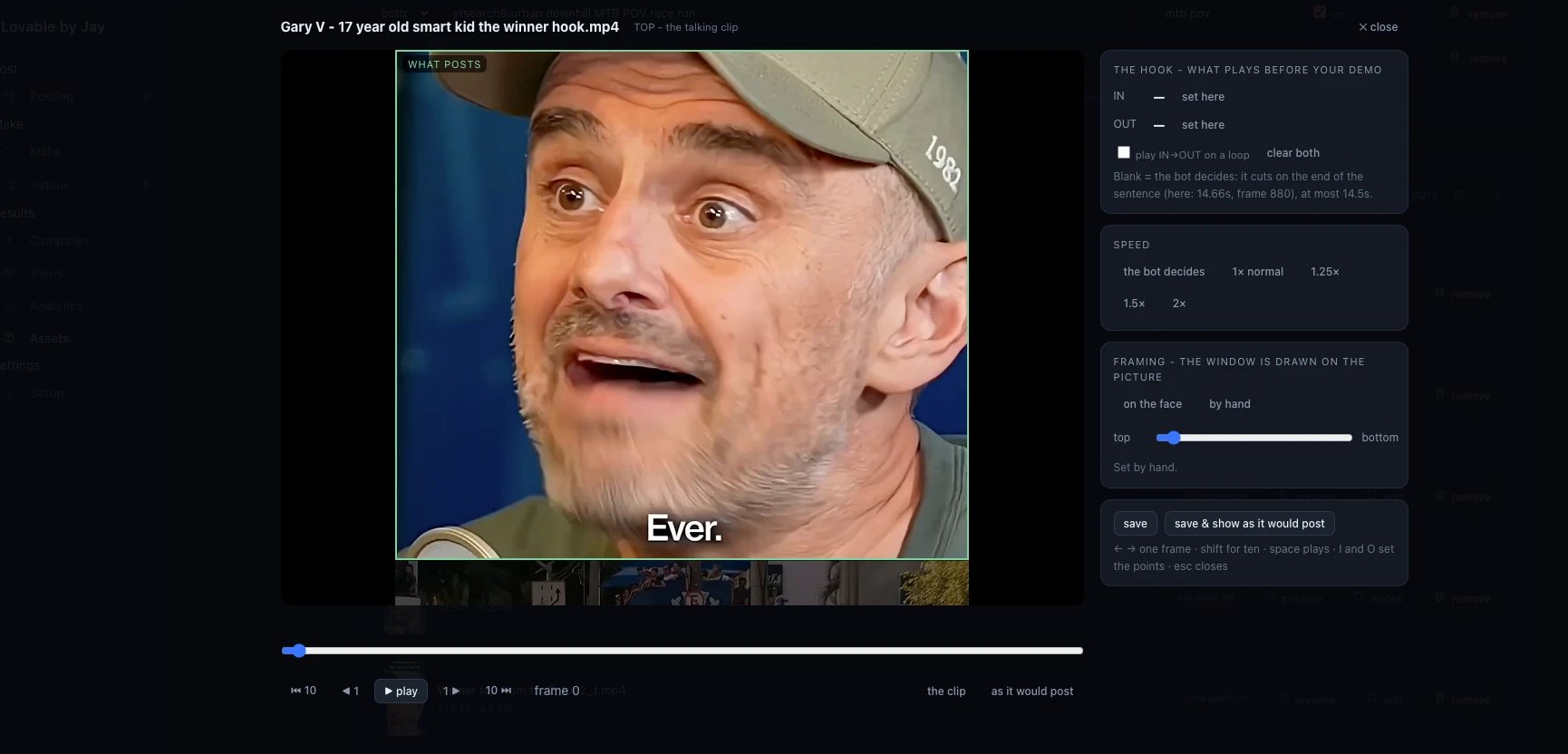
The first version's clip editor: a talking clip with a green box showing what will post, and controls for cut points, speed and framing
The clip editor. The green box is what posts.
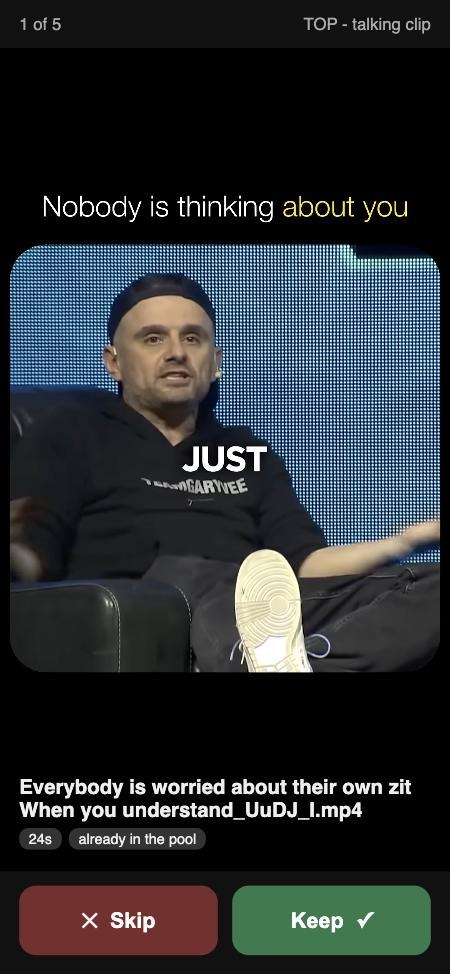
The phone review page: one found clip with Skip and Keep buttons
Reviewing found clips on my phone.

Timeline

  1. First batch: 25 videos in a format I had been editing by hand.

  2. Measured YouTube's limit of about three Shorts per channel per day.

  3. Found a six-night silent failure. Added retries and loud alarms.

  4. Started working on the system with a group of friends. Rebuilt my own version on 28 August.

  5. Added the posting ramp that grows each account at its own pace.

  6. Peak day: 75 posts from one machine.

  7. Footage locked to the account it belongs to, so no two accounts share clips.

  8. Best month: 3.95 million views on October's posts.

  9. 8.4 million recorded views in total, a new video format added, and still scaling.

What I did, and what I did not

Mine

  • The first version, Split Factory, and its format, which I had tested by hand before automating it.
  • The rules I measured on my own accounts, like the YouTube limit and the payout routing, which carried into the scaled system.
  • Working on the scaled system with my friends and coaching them on how to make it better.
  • Testing against real accounts, real platforms and real money.

Not mine

  • I did not type the code. I am not a trained programmer. I built my versions by directing AI coding agents, Claude Cowork and then Claude Code: describing what I wanted, reading what came back, testing it, and sending it back when it was wrong.
  • The scaled system is a team effort. Most of its code was written by my friends, on their machines, and the accounts that post its videos are theirs.
  • The clips in many hooks are other creators' footage. That is how this format works.